
Interview with housekeeping expert Marlene Meyer
Who better to talk about housekeeping than someone who has known the industry from the inside for over 35 years? Marlene Meyer is an expert, trainer, and consultant – and she brings a perspective that you cannot simply read about. We asked her which challenges still define the daily routine in housekeeping today, what digital tools really change, and where they reach their limits.

The biggest challenge is usually not the cleaning itself, but dealing with change. Staff shortages, rising guest expectations, higher costs, and increasing documentation requirements affect almost every hotel today. At the same time, the quality is expected to remain consistently high. As a result, housekeeping is often under enormous pressure.
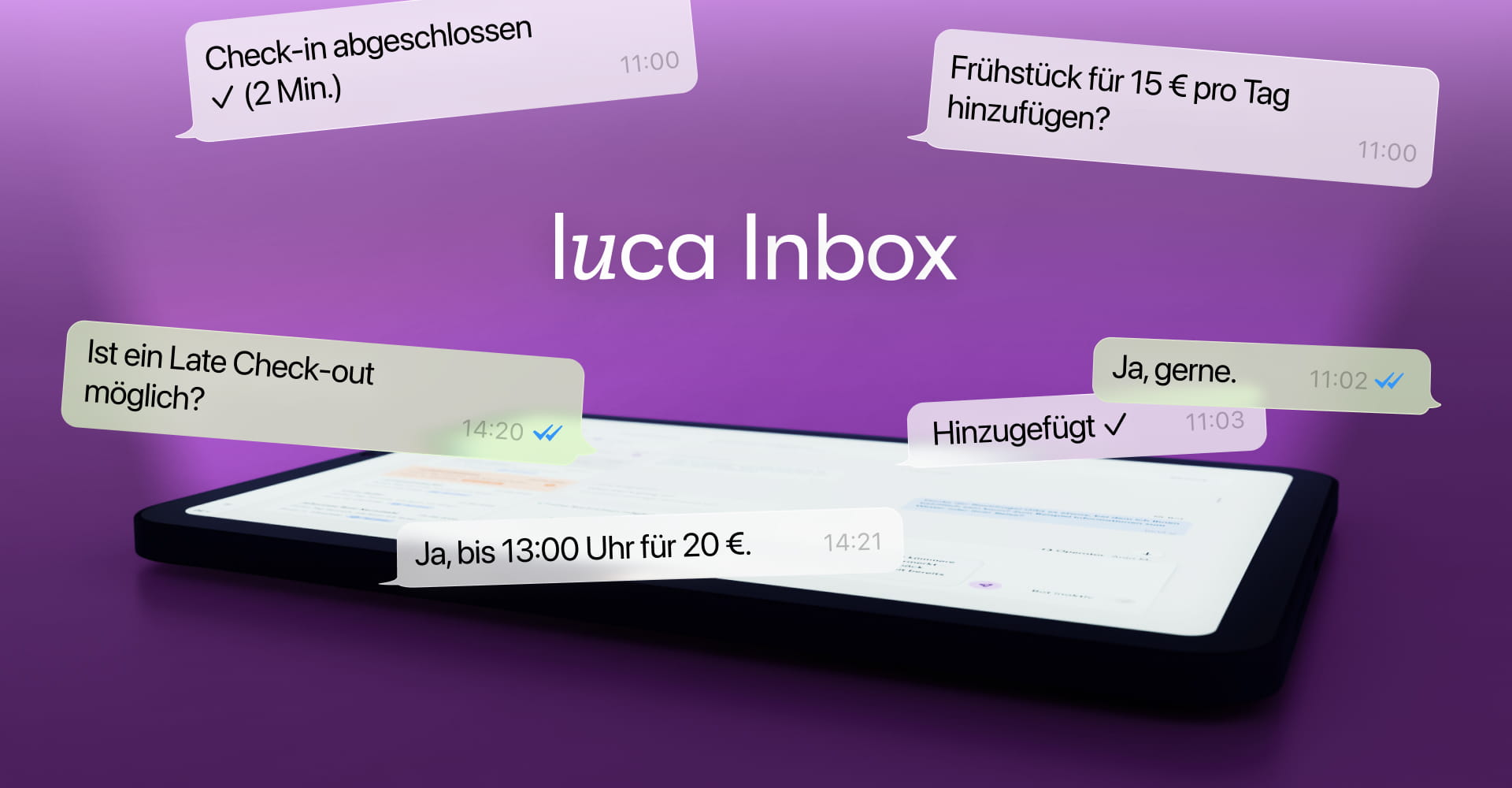
If I had to name one area, it would be communication. The best planning is of little use if information is not passed on in a timely or complete manner. A late check-out, a room change, or a last-minute group arrival can affect the entire workflow. Good communication is therefore one of the most important success factors in housekeeping.
Many initially only see the result: the room is clean. However, behind that lies a complex organization involving staff scheduling, quality control, materials management, hygiene requirements, guest requests, and numerous interfaces with other departments. Today, housekeeping is much more than just "cleaning rooms."
What is often underestimated is the importance of clear processes and standards. In many businesses, knowledge is passed on verbally, or every manager works a little differently. This often works until staff members are absent, new colleagues need to be trained, or occupancy rates rise.
A good standard creates clarity. It ensures that everyone knows what is expected, how tasks should be completed, and where to find information. This reduces errors, makes onboarding easier, and ensures that quality remains stable even under high pressure.
A cleanly serviced room is therefore not the result of chance or experience alone, but the result of well-organized processes in the background.
Especially where information needs to be available quickly and reliably. Digital room status systems, task management, or knowledge databases help avoid errors and save time. Employees can react faster, and managers keep an overview.
Without digital information sharing, the phone is often ringing, or staff are running through the hotel looking for the person who needs a piece of information. In housekeeping, in particular, distances are often long and teams are large. On top of that, there is an effect we all know from the children's game "Telephone": the more people involved, the greater the risk that information will be altered or passed on incompletely.
This happens particularly often with guest requests. I have spent many hours, for example, searching for guest laundry that was correctly labeled but still ended up in the wrong room. Transposed room numbers or additional language barriers further increase the error rate.
Digital systems do not replace people. However, they ensure that everyone involved receives the same information at the same time. This significantly reduces misunderstandings and improves both efficiency and the quality of work.
Knowledge databases. They ensure not only faster processes but, above all, more consistent quality. Standards become more visible, deviations are identified more quickly, and new employees can be trained in a more structured way.
A major advantage of digital systems is that knowledge can be stored and made accessible at any time. Instead of having to wait for the next manager or experienced colleague, employees can find a lot of information themselves. This significantly shortens onboarding and provides security in everyday work.
We all know the same phenomenon: new employees eventually stop asking questions. Some don't want to disturb anyone, others are afraid of asking the same question multiple times. At the same time, long-term employees often stop asking as well because they think they should already know the answer. This leads to uncertainties, misunderstandings, and sometimes errors.
A well-structured digital knowledge system creates a real gain in quality here. Information is accessible to everyone, answers remain consistent, and knowledge is not lost when experienced employees leave the company.
When used correctly, data help with shift scheduling, personnel planning, managing linen stocks, ordering materials, and collaborating with external service providers. Those who know their actual needs can deploy resources more effectively and avoid unnecessary costs.
Especially in times of rising costs, it is becoming increasingly important to make decisions based on a reliable foundation. Data help to use budgets more consciously, identify bottlenecks early on, and evaluate performance in a traceable way. This creates transparency for everyone involved.
Ultimately, it is not about collecting as much data as possible. It is about using the right data to make better decisions – for the guests, the employees, and the hotel's profitability.
Whenever processes were not clear and there was a hope that the software would solve the problem. Digitization does not make bad processes better – it often just makes them visible faster. This happens when someone feeds the program with basic data without involving housekeeping. Unfortunately, it happens that someone "thinks" they know how things are or should be, while housekeeping is organized completely differently. That is why the workflows must be known and correct first, and only then should the appropriate tool be selected.
An algorithm can analyze data, assign tasks, and make suggestions. However, it cannot walk through a room with a guest's eyes, pick up on team dynamics, or show genuine appreciation. Humans often disrupt the process themselves: guests who sleep in, check out late, arrive early, or leave a room in a state that makes standard procedures and timeframes impossible to follow. "Waiting times" can throw off the entire day and the staff. Rooms that aren't ready for arrival are, understandably, met with frustration by guests.
Technology can help organize these challenges more effectively. However, the necessary decisions, the ability to improvise at the right moment, and the interaction with guests and staff remain human tasks. Despite all the technology, housekeeping is and will always be a business of people for people.
I would ensure that housekeeping is given a higher priority. To me, housekeeping is the heart of a hotel. There is hardly a department that doesn't work with housekeeping or depend on its performance.
Most people only see the result: a clean room, fresh linens, and a pleasant stay. But behind that are people, organization, expertise, and many processes that often remain invisible. Much of it is taken for granted, while the focus is frequently placed primarily on time constraints and costs.
Yet, in many hotels, housekeeping is one of the most cost-intensive departments while simultaneously having a direct impact on guest satisfaction, the preservation of the property's value, and the overall profitability of the operation. Furthermore, it shapes a hotel's image more than many realize. You only need to look at the "cleanliness" rating on review portals to see that.
I am convinced that quality and speed are not created by pressure, but by knowledge and routine. Good onboarding, clear standards, and continuous training help employees work more confidently and efficiently. At the same time, they strengthen motivation and loyalty to the company.
If hotels want to be successful in the long term, they should not view housekeeping as a cost center, but as a decisive success factor. Investments in people, knowledge, and structures pay off – for employees, guests, and the company alike.
The best planning is of little use if information is not passed on in a timely or complete manner. A late check-out, a room change, or a last-minute group arrival can disrupt the entire daily schedule. Clear, fast communication is therefore often more decisive for quality than the cleaning itself.
Anywhere information needs to be available quickly and reliably: digital room status systems, task management, and knowledge databases. They prevent staff from having to run through the building or make phone calls to reach someone – and they reduce the "broken telephone" effect in long chains of communication.
No. An algorithm can analyze data and assign tasks, but it cannot walk through a room with a guest's eyes, pick up on team dynamics, or show genuine appreciation. Improvisation in daily operations and interacting with people remain tasks that technology cannot take over.




.png)


